
Quick Summary: Work-life balance has become a strategic imperative as chronic stress, burnout, and blurred boundaries reshape how people work. This article explores how balance directly impacts productivity, decision-making, creativity, and employee retention, particularly in project-driven environments. It challenges common assumptions about what balance truly means and outlines practical strategies and predictive intelligence tools that help teams maintain high performance without sacrificing well-being. For leaders committed to building resilient, future-ready teams, the insights ahead offer a clear and actionable way forward.
Work-Life Balance Is Now a Business Imperative. Are Leaders Ready for the Shift?
Your team may not be exhausted; they may be off balance. Work-life balance has taken center stage in conversations about modern work, and recent data makes this shift impossible to ignore. A study by Aviva found that 41% of employees value work-life balance more than salary, while only 36% prioritize pay. This marks a clear change from 2019 and reflects how deeply the pandemic has reshaped expectations.
People still rely on steady earnings to manage rising living costs and energy pressures, but maintaining a healthy balance has become an increasingly challenging task. Constant connectivity, remote work, and an always-on culture blur boundaries. Checking emails late at night, taking calls during family time, and catching up on weekends have become normalized behaviors, even for highly committed teams.
Project management environments feel this strain even more. Delivery pressures, shifting priorities, and stakeholder demands often push teams past sustainable limits. This is where predictive project management plays a meaningful role. Artificial intelligence-driven solutions give leaders real foresight into workload risks, resource strain, and early signs of burnout. When teams identify issues before they escalate, work becomes more manageable, and leaders can distribute responsibilities in a fair manner that supports personal well-being.
Today, employees are clearly signaling that balance matters. Leaders who respond with empathy, structured processes, and predictive insight will build healthier teams and stronger long-term performance. In this article, we will explore the intricacies of balancing professional aspirations with personal well-being and how predictive intelligence solutions empower you to prioritize employee well-being.
What is Work-Life Balance?
Work-life balance is the alignment between the time, focus, and energy you dedicate to your career and the attention you give to the rest of your life. It reflects how well you manage professional responsibilities while still protecting space for relationships, personal commitments, and experiences that keep you grounded. True healthy work boundaries is not about dividing hours equally. It is about creating a rhythm that supports high performance at work without sacrificing well-being or the moments that matter outside the office. The bigger question is not what work-life balance is, but why its absence is costing organizations more than they realize.
Why Does Work-Life Balance Matter?
A strong professional-life balance is more than a wellness benefit. It is a performance driver that directly shapes productivity, accuracy, and employee commitment. When people feel supported and have space to recharge, they approach work with clarity and purpose. They make fewer errors, produce stronger outcomes, and naturally become ambassadors for the organization.
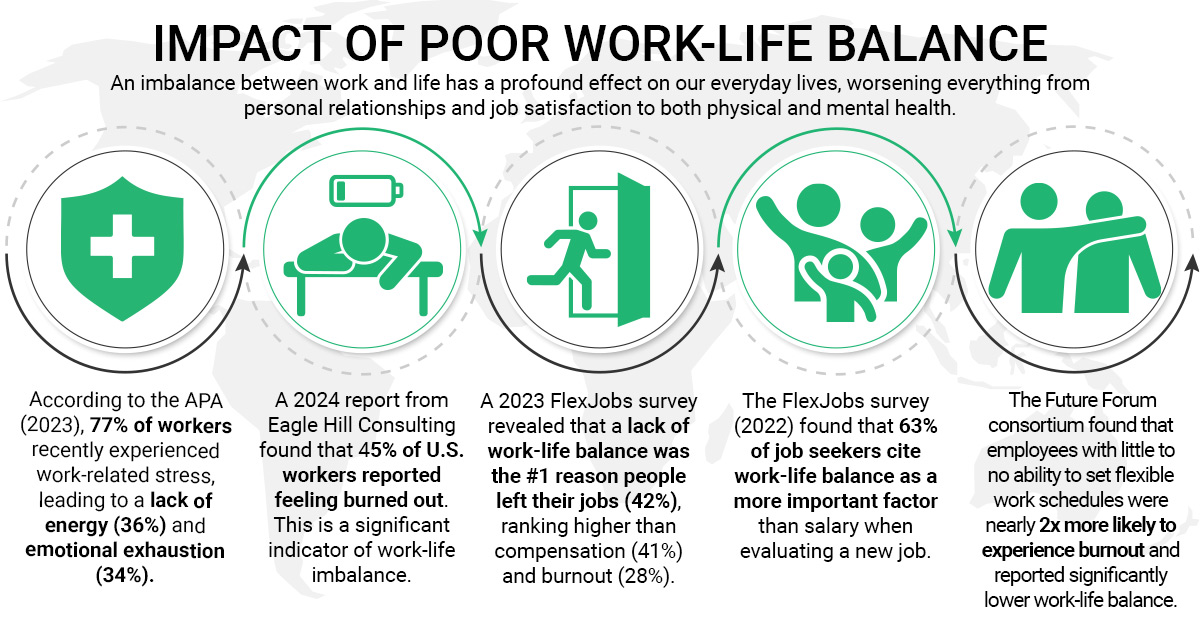
However, in today's fast-paced society, work occupies a significant portion of time. According to a survey by the American Psychological Association (APA), a massive 79% of employees reported severe work-related stress. Nearly 30% of those say they are also struggling with emotional exhaustion, physical fatigue, a lack of motivation at work, and ‘cognitive weariness.’ The numbers are rather alarming, wouldn't you agree?
The business case is equally clear. Companies that are known for protecting healthy work boundaries stand out in a competitive hiring market, especially among younger talent who expect employers to respect their time and well-being. Retention also becomes far more cost-effective. According to Oxford Economics, replacing an employee costs about £30,000 and requires roughly 28 weeks for a new hire to reach full effectiveness. Leaders who prioritize a healthier balance reduce churn and protect institutional knowledge.
Transform the way your organization anticipates risks, protects well-being, and delivers results. TrueProject shows you how.
Focusing on work-life balance is not simply a cultural initiative. It is a strategic investment that strengthens your talent pipeline, reduces operational friction, and preserves the high-performing teams every business depends on.
However, the real test of work-life balance is evident where pressure is highest and margins for error are smallest: within your project teams.
Why Work-Life Balance is Critical to Project Teams?
A strong work-life balance delivers measurable gains across any project environment. When people are rested and mentally present, their productivity and output improve. They think clearly, make sharper decisions, and sustain high performance without burning out.
- Higher productivity and sharper focus. Rested, motivated team members think clearly, work efficiently, and make stronger decisions.
- Greater creativity and problem-solving. Stepping away from work gives the mind space to reset, leading to new ideas and more innovative approaches when they return.
- Stronger team relationships. Balanced individuals communicate more effectively, collaborate more efficiently, and contribute to a healthier team dynamic.
- Higher retention and commitment. When employees feel that their well-being is respected, they tend to stay longer, protect institutional knowledge, and remain deeply engaged.
Work-life balance is not a perk. It is a practical strategy that drives sustained performance and long-term team strength. Yet achieving it starts with redefining it. The idea of balance is far more personal and nuanced than most people realize.
Give your project teams the insight, stability, and balance they deserve. Book a live demo and discover how TrueProject can help protect your teams from burnout.
Is Work-Life Balance the Same for Managers and Team Members?
Work-life balance looks different for everyone. It shifts based on your role, life stage, and the culture in which you work. Pay matters, but it is often the environment and expectations around you that determine how sustainable your day-to-day really feels.
In a Forbes piece, Mike McMullen, CEO of Prominence Homes, argues that work and life are not opposing forces. Work is simply one part of life, and how you spend your time reflects your values. He highlights a simple but powerful truth. Commit fully to what you choose. Half-hearted efforts create confusion and stress. If you are considering leaving a role, make a decision. If you decide to stay, give your best and build something meaningful.
A purposeful career can enrich your life when approached with clarity and intention. It influences your finances, relationships, health, and sense of direction. McMullen challenges professionals to ask, “Am I living a good life?” The answer reveals whether your work contributes to or detracts from your well-being.
So consider what work-life balance truly means to you and how intentionally you are shaping it. Reflection is critical, but so is awareness. The real question is: how do you know when an imbalance is starting to take hold?
How Can You Tell When Burnout Is Affecting Your Project Team?
Burnout is a prolonged state of mental, emotional, and physical exhaustion that develops when stress becomes chronic. While project managers often feel it first, project teams are just as vulnerable. Early recognition is crucial for maintaining performance, promoting well-being, and achieving a healthy work-life balance.
Common signs include:
- Persistent fatigue. Team members or project managers often feel tired, even after getting a good night's sleep, which can lead to poor focus, slow task execution, and increased procrastination.
- Overwhelm from routine work. Once manageable tasks suddenly feel heavy or unstructured.
- Emotional withdrawal. Individuals begin to detach from their projects, colleagues, and stakeholders, resulting in reduced engagement.
- Physical strain. Stress-related symptoms may appear, including headaches, muscle tension, digestive discomfort, or sleep disturbances.
- Irritability and cynicism. Frustration rises easily, and interactions become strained.
- Reduced sense of achievement. The satisfaction that comes from meeting milestones or solving problems starts to fade.
- Pulling away from others. Team members may step back from conversations, collaboration, or social interactions both at work and at home.
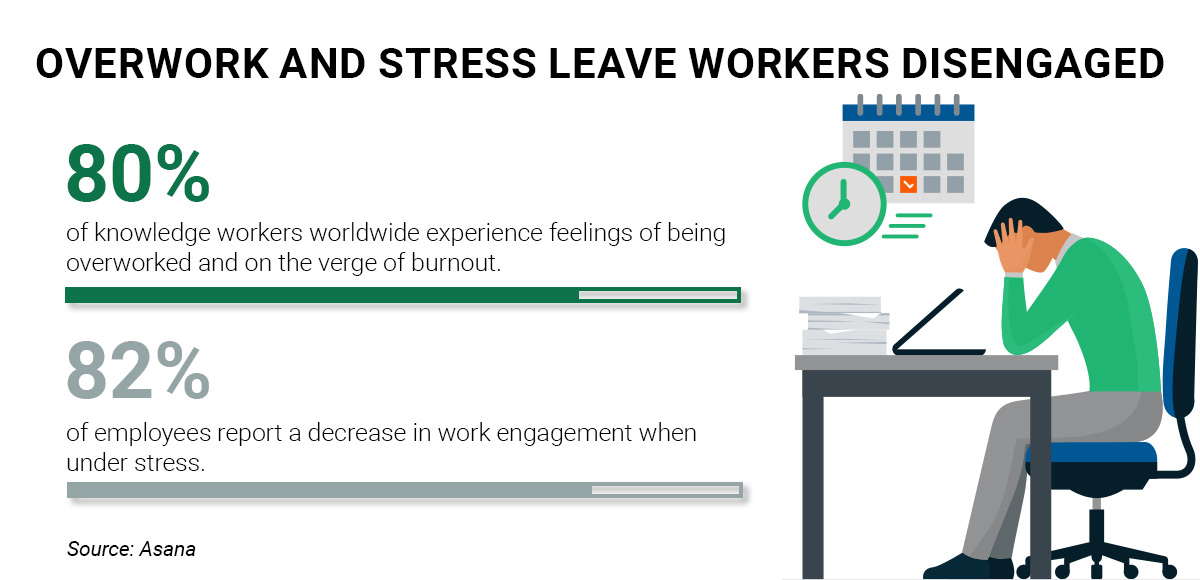
If any of these feel familiar, it may be time to reassess workloads, reset expectations, and take meaningful steps to rebuild well-being and restore balance across the team. When work-life balance slips, the impact spreads quickly across both project managers and project teams. The consequences reach far beyond personal stress and directly affect project outcomes.
Seeing the signs is essential, but what truly matters is knowing how to reset, recover, and re-establish a healthier balance.
Finding the Right Balance Between Work and Personal Life
If you are overwhelmed by stress and tiredness, it means you need to adjust how you balance your professional and personal spheres. But how? We understand that you have unique work and life responsibilities, but adopting the strategies below could help you achieve a better work-life balance.
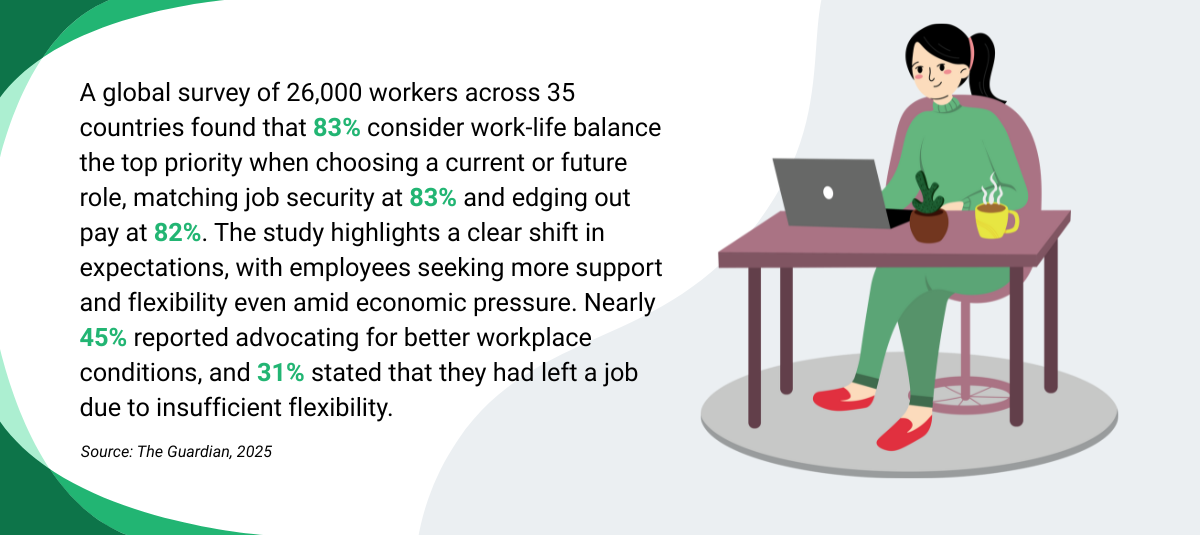
- Set goals that support your life and your career. Identify what balance means for you and outline changes that help you achieve it. If spending more time with friends or family is essential to you, prioritize tasks and plan your day to ensure you complete your work on time.
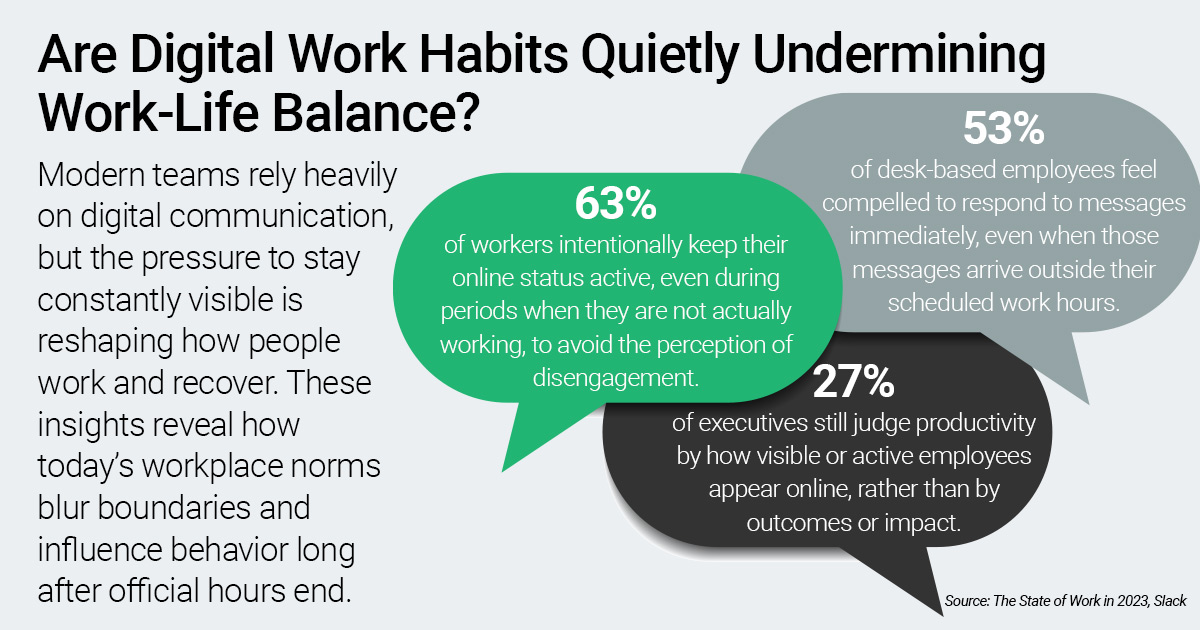
- Establish clear boundaries. Separate professional and personal time with purpose. Mute notifications when you are off the clock or set clear expectations with colleagues and clients about response times. This helps you stay present in the moments that matter.
- Maximize your workday. Focus on the tasks that truly move projects forward. Avoid taking on more than you can manage, since overload harms long-term productivity and spills into personal time. Efficient work habits help you disconnect without guilt.
- Manage stress intentionally. Stress will always exist, but having healthy outlets makes it more manageable. Regular exercise, meaningful hobbies, or shared activities with friends can help build resilience and enhance your overall quality of life.
- Leverage technology and automation. Predictive project management solutions offer far more value than task management tools by providing real foresight into workload pressure, emerging risks, and potential delays, which helps prevent late nights and constant firefighting. These platforms send smart, timely alerts so you no longer need to monitor dashboards or manually chase updates, reducing mental fatigue and keeping your attention on what matters most. Automation also handles routine follow-ups and reminders, freeing up time and ensuring work does not spill unnecessarily into personal hours. With clearer visibility, fewer surprises, and less administrative load, predictive project management becomes a robust support system for maintaining a healthier work-life balance.
The most meaningful progress occurs when leaders integrate these principles into their everyday team practices.
Take control of workload, reduce stress, and build healthier project routines. Explore TrueProject today.
How Can Project Leaders Strengthen Work-Life Balance Across Their Teams?
Leaders shape the environment in which their teams operate, and the right actions can significantly improve work-life balance. Here are strategic, practical steps that make a real difference:
- Plan with intention. Break work into manageable tasks, set realistic timelines, and allocate resources wisely. Pair strong project planning with predictive intelligence to anticipate risks early and protect personal time while maintaining project control.
- Understand individual needs. Each employee defines balance differently. Have open conversations, offer flexibility where possible, and show genuine interest in what supports their well-being.
- Model healthy behaviors. Your habits become the team’s norms. Avoid sending messages outside of work hours and encourage disconnecting, taking breaks, and allowing for recovery time.
- Communicate available support. Share information about flexible schedules, remote work options, or parental leave. Many employees benefit simply from knowing what is available to them.
- Stay current. Team expectations evolve. Stay up-to-date with new practices and benefits that promote well-being and demonstrate to employees that their needs are valued and matter.
Strong leadership is the foundation of achieving a sustainable work-life balance and fostering long-term team performance. But even the best leadership practices need intelligent support to keep teams balanced and projects on track.
The Strategic Advantage of Making Work-Life Balance a Reality
The pressure to excel at work while nurturing a meaningful personal life has become a constant struggle. With blurred boundaries, rising expectations, and an always-on culture, professionals often find themselves pushed to their limits. As Ev Williams reminds us, neglecting well-being and relationships strains our personal lives, and it erodes our ability to perform, lead, and thrive.
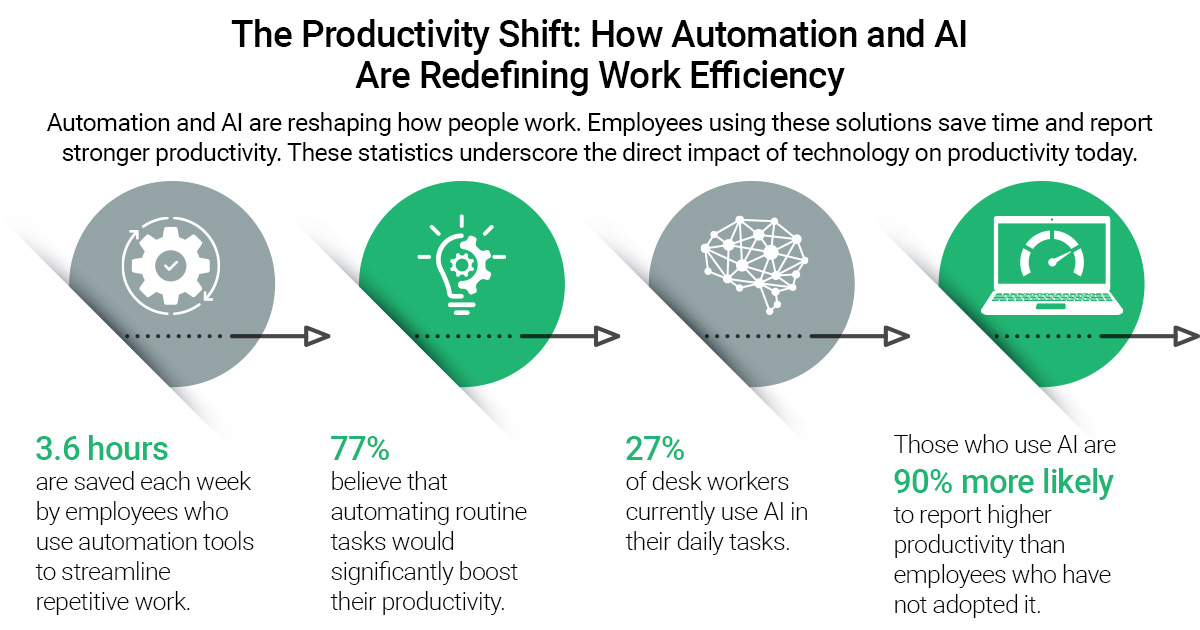
Achieving work-life balance is still within reach, but only when organizations simplify how work is planned, managed, and monitored. When teams gain clarity and leaders have visibility into what truly demands attention, people can stay in control of their workload without compromising personal time. The key lies in using tools and approaches that make complex work manageable, predictable, and less reactive.
This is where TrueProject makes a meaningful difference. As a SaaS-based strategic project intelligence solution powered by predictive AI, TrueProject identifies risks weeks or even months in advance by continuously analyzing project data and stakeholder input. It provides leadership with clear, actionable insights directly from any dashboard—enabling problems to be addressed before they disrupt schedules or overwhelm teams. By encouraging thoughtful planning and protecting personal time, TrueProject fosters a culture where work-life balance is not just encouraged but realistically achievable.
Work-life balance is an achievable reality that demands intentional choices, strategic approaches, and a collective commitment.
If balance starts with control, begin by understanding where your projects stand. Get instant clarity on project health. Take your TrueProject Snapshot.
FAQs for Work-Life Balance
1. What is the real impact of poor work-life balance on productivity?
A poor work-life balance can quickly reduce productivity by lowering focus, slowing execution, and increasing mistakes. When people don’t have enough time to recharge, their motivation drops, absenteeism rises, and burnout sets in—directly hurting team performance and project outcomes.
2. How do I know if my project team is experiencing burnout?
Burnout often presents as persistent fatigue, irritability, trouble concentrating, feeling overwhelmed by even simple tasks, emotional withdrawal, or a reduced sense of accomplishment. If your team suddenly seems slower, quieter, or detached, burnout may already be setting in.
3. What is the best way to maintain work-life balance in a fast-paced project environment?
The best way is to combine realistic planning, clear boundaries, and predictive tools that warn you before workloads become unmanageable. When teams know what to prioritize—and leaders see risks ahead of time—balance becomes far easier to protect.
4. How can project leaders support better work-life balance for their teams?
Leaders can help by planning intentionally, understanding individual needs, modeling healthy behaviors, avoiding after-hours communication, and using predictive intelligence to prevent last-minute fire drills that drain personal time.
5. How do I figure out what work-life balance should look like for me?
Work-life balance isn’t one-size-fits-all. It depends on your role, your values, and your personal responsibilities. A useful way to start: define what “feeling balanced” means to you, set boundaries that protect personal time, and build daily routines that match your goals.
6. What are the early signs that work-life imbalance is starting to affect team performance?
You’ll notice slower decision-making, increased errors, reduced collaboration, more conflict, declining creativity, or people pulling away from discussions and problem-solving. These shifts often show up well before burnout becomes visible.
7. How can the predictive project management solution help reduce burnout and imbalance?
Predictive project management gives leaders early visibility into workload pressure, resource strain, and upcoming risks. By spotting problems weeks before they escalate, teams avoid last-minute chaos—making work more manageable and helping people protect their personal time.
9. How can I balance heavy workloads without sacrificing my well-being?
Start by prioritizing tasks that make the most significant impact, using technology to automate routine work, and regularly reviewing whether your workload is realistic. Predictive tools can also highlight risks early, allowing you to adjust before stress builds.
10. How does TrueProject help teams achieve better work-life balance?
TrueProject utilizes predictive AI to identify project risks weeks or months in advance. It analyzes project data and stakeholder signals to provide leaders with clear, actionable insights—so teams avoid overload, late-night catch-ups, and constant firefighting. This protects personal time while improving performance.
11. What is the best way to prevent burnout in project-driven organizations?
The best approach is proactive: monitor workload patterns, use predictive risk signals, encourage healthy boundaries, and create realistic plans. Preventing burnout is easier when you know in advance which projects or teams are reaching their limits.